Lagos is expanding the conversation on infrastructure beyond delivery, placing equal emphasis on investment participation and long-term value creation.
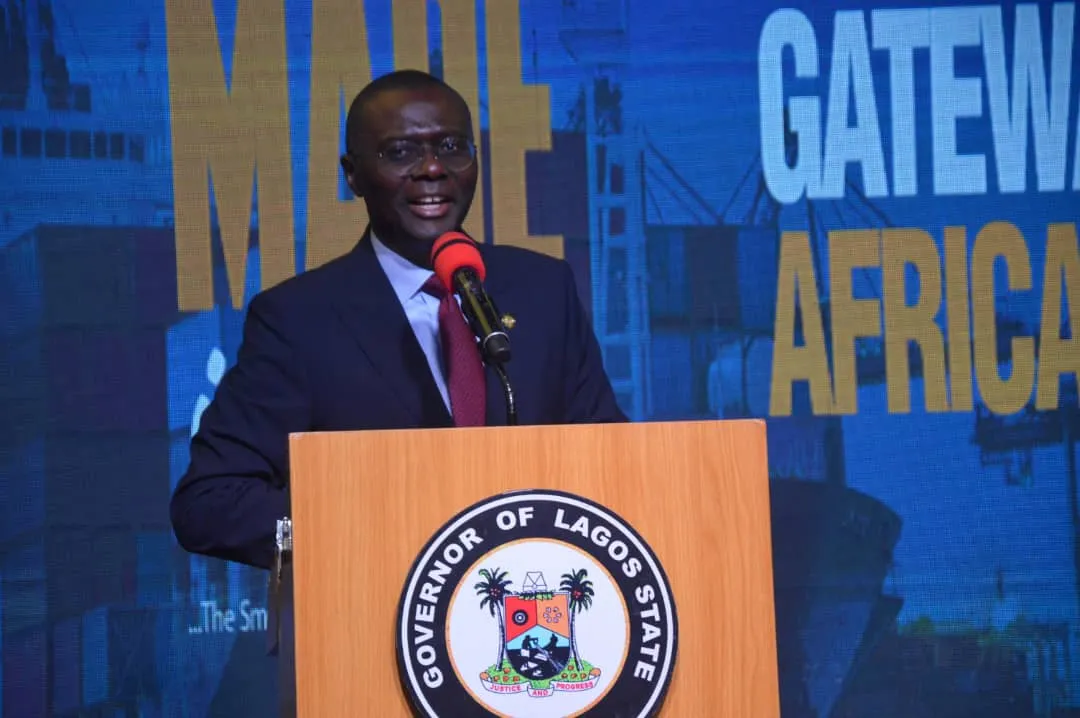
At the Lagos Investment Roundtable, convened as a pre-event to the African Social Impact Summit in Lagos, Governor Babajide Sanwo-Olu outlined a forward-looking mobility plan designed to unlock private sector investment while addressing the State’s growing transportation needs.
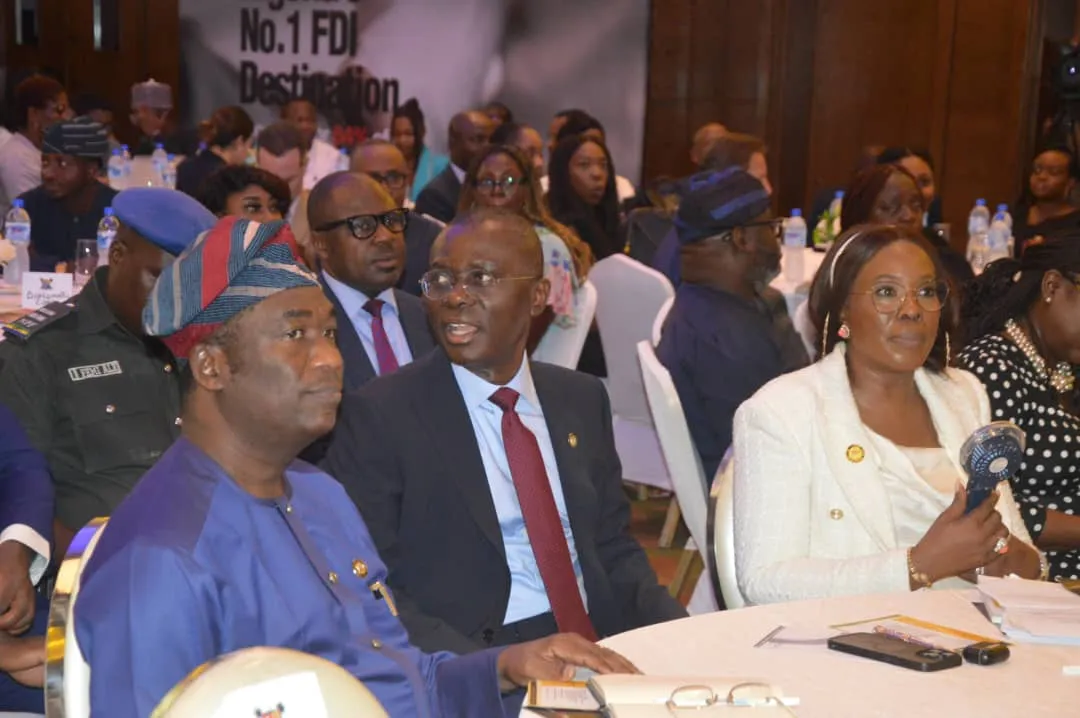
Central to this plan is the proposed deployment of 2,000 high-capacity buses under a Public Private Partnership model. The initiative signals a clear opening for investors to participate directly in the transformation of Lagos’ mass transit system. The buses will operate on Compressed Natural Gas, aligning with the State’s broader climate-conscious agenda and its transition toward cleaner energy solutions.
.jpeg)
In addition, the State is advancing plans to introduce 5,000 new vehicles to be deployed as taxis through collaboration with a manufacturing partner. Together, both initiatives reflect a structured effort to modernise urban mobility while creating scalable entry points for capital.
Governor Sanwo-Olu noted that road transport currently accounts for nearly 90 percent of movement across the State, a reality that underscores both a challenge and an opportunity. While significant investments have been made in rail infrastructure, he emphasised the need to further develop alternative transport systems, particularly waterways, and expand rail networks through private sector participation.
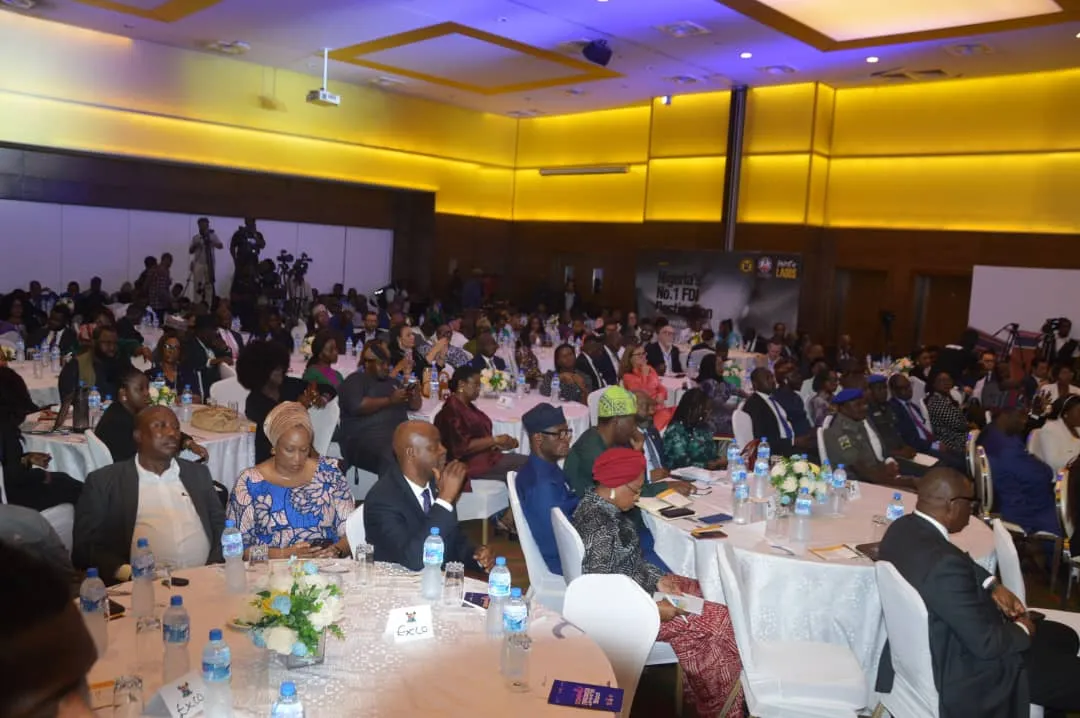
His message to investors was direct. Lagos is building the foundation, but the scale of opportunity requires partnership. The State’s transport ecosystem, from rail corridors to water routes, presents multiple avenues for investment, structured around a model that supports participation and long-term returns.
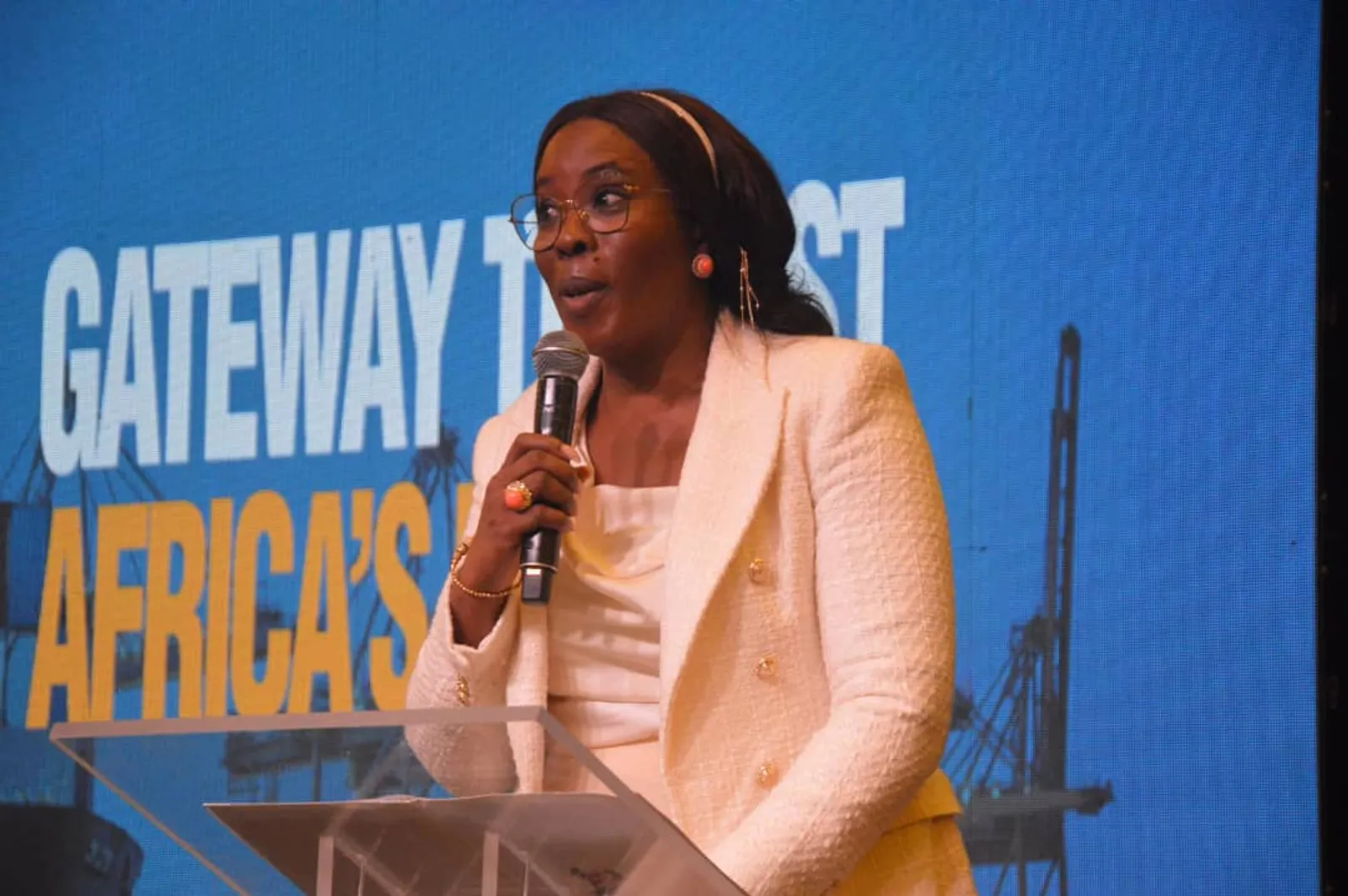
Also speaking at the roundtable, the Honourable Commissioner for Commerce, Cooperatives, Trade and Investment, Folashade Ambrose-Medebem, highlighted the resilience of Lagos’ economy, noting the presence of over 500 startups and a business environment that continues to adapt despite global and domestic pressures. She reaffirmed the government’s commitment to sustained infrastructure development as a key driver of economic stability and investor confidence.
The roundtable reflects a broader strategy Lagos continues to pursue. Positioning infrastructure not just as a public service, but as an investable asset class with clear pathways for private sector involvement.
For investors, the direction is clear. Lagos is opening up its mobility ecosystem with defined opportunities, structured partnerships, and a commitment to building a modern, efficient, and sustainable urban transport network.